
Paddy Sullivan on Faster Insight, Consistent Benchmarks, and Better Decisions Using Axon
The challenge: time pressure, fragmented workflows, and inconsistent comparison data
In elite international rugby, the analysis function is routinely asked to deliver high-quality insight at speed, often with limited time between matches and constant ad-hoc requests from coaches. Before using Axon Perform, Paddy Sullivan described a workflow heavily reliant on manual report windows, scripting, and time-consuming build processes to produce the reporting required for previews, reviews and ongoing performance tracking.
A second, equally material constraint was data consistency. Paddy noted the difficulty of using internal data to compare the Springboks against other teams when underlying definitions and measurement approaches varied. That lack of standardisation makes comparisons less persuasive and can dilute the impact of analysis when communicating with coaches.
The decision: a platform built for analysts, usable immediately
The Springboks analysis group began using Axon Perform during the 2024 Rugby Championship as part of a paid supplier arrangement. For Paddy, a key differentiator was that the platform felt purpose-built for the realities of performance analysis: “genuinely made by an analyst for analysts.”
Just as importantly, it was immediately usable: the reporting was “already tailored and ready to go” with core outputs available from day one, while still allowing deep customisation—new KPIs, additional measures, and new reporting views—without rebuilding everything from scratch.
Implementation: from multiple tools to a single, refreshed source of truth
Post-implementation, Paddy described moving from a fragmented approach (multiple report windows and scripts) to a “one stop shop” where core outputs—kick-off maps, tackle maps, and broader performance reporting—were centralised and refreshed every few hours.
This frequency of refresh mattered because it ensured reporting remained current and consistent. Paddy emphasised that Axon made it possible to compare teams and players confidently because the data was now aligned: “everything is on a level playing field.”
Impact: hours of work reduced to minutes, and more compelling insight for coaches
The most immediate impact was speed. Paddy described the shift as a step-change: tasks that previously took “hours and hours of man work” could be done “in minutes.”
That includes practical analysis needs such as:
measuring KPIs across multiple competitions
comparing performance against different teams
selecting fixtures and seasons
retrospectively creating and evaluating new measures
In Paddy’s words, the ability to handle off-workflow questions, when a coach asks for something outside the analyst’s planned sequence, was “a game changer,” because it removed the hours usually required to go deeper.
Critically, Axon did not just accelerate output; it improved the weight of analysis in decision-making. Paddy explained that consistent, standardised comparisons give reporting “more of a punch to coaches.”
Adoption: Elite level to the coaches, and integrated across weekly performance routines
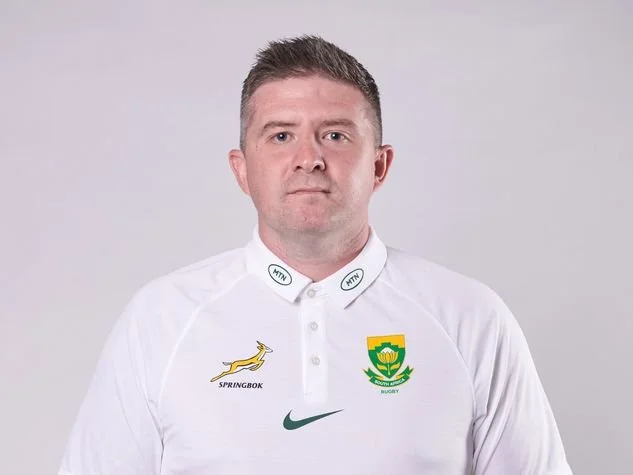
Paddy Sullivan
When Paddy first demonstrated Axon to the coaching group, the reaction was immediate: “their faces went wow… this is elite level.”
That wasn’t just novelty; it represented a shift toward more visual, data-led discussion, embedded into:
opposition previews and reviews
weekly preparation and analysis routines
how performance information is communicated and consumed
Over time, Paddy said Axon became integrated into his analysis workflow, with outputs regularly referenced in coaching conversations and weekly routines.
Extending beyond coaches: player engagement and global player tracking
Axon also enabled new forms of player engagement. Paddy described players using the platform to benchmark themselves against the best, including comparing their metrics to leading international players across multiple seasons.
This created a practical mechanism for motivation and measurable development—“giving them something to chase.”
In parallel, Axon streamlined ongoing tracking of Springboks players across global competitions, helping centralise monitoring across leagues and seasons. Rather than manually pulling information from multiple sources, the team could filter and review players quickly, improving off-season tracking efficiency.
Enabling faster turnaround: post-match reporting before travel
One of Paddy’s clearest outcome statements was speed-to-delivery. He described being able to wake up after a game, complete reports, and have them in coaches’ hands “before we even step foot on a plane to go to the next fixture.”
That speed matters because early reporting helps shape tactical discussion and selection decisions with fresh, objective evidence—“based on facts not based on feeling.”
Support and supplier relationship: responsive experts who understand rugby
Beyond the product itself, Paddy repeatedly emphasised support quality. Although not positioning himself as a deep scripting expert, he described Axon’s team as highly responsive—able to jump online quickly, work through questions, and help the Springboks team build capability over time rather than simply providing one-off fixes.
He also highlighted the advantage of working with a team that understands rugby: “you could speak to some software developers and they don’t understand the sport… where you guys actually are rugby people.”
Looking forward: wider performance data and continued improvement
Finally, Paddy described an appetite (subject to internal priorities and approvals) to explore wider integration into sports science and S&C workflows, including wearable data. He framed this as an opportunity to align rugby and physical performance domains within a unified performance system, as the Springboks look to stay ahead of innovation in world rugby
In Paddy’s words
“I don’t think that I would be able to go back to doing the job the way I did it before without Axon.”
Note: This article is based on an interview with Paddy Sullivan conducted in his personal capacity. The views expressed are his own and do not represent official statements, endorsements, or positions of SA Rugby or the Springboks. Axon provides services to the Springboks under a commercial supplier arrangement and is not a sponsor or an official partner.